

Katrin Park calls into question the utility of dumping billions into Afghan gender-empowerment programs by the US government that do not work.

A new report examines how to mitigate against the health risks of human waste during wartime. An inside expert, Navy Captain (Ret.) James Need, finds the U.S. policy on open-air burn pits lacking.
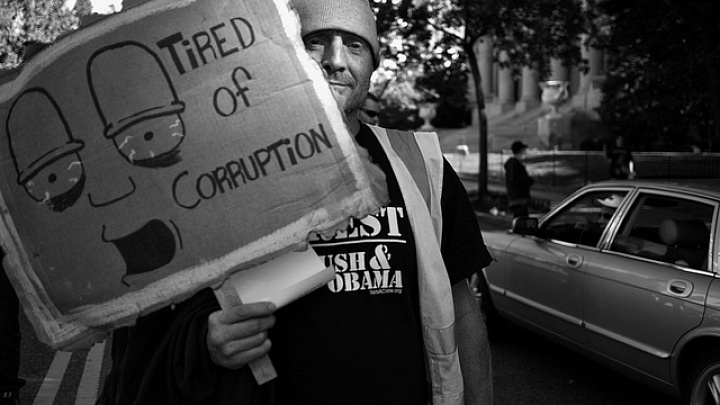
Arnold Isaacs discusses his experiences with corruption while covering the Vietnam War and whether government corruption has similarly contributed to the outcomes of the wars in Iraq and Afghanistan.
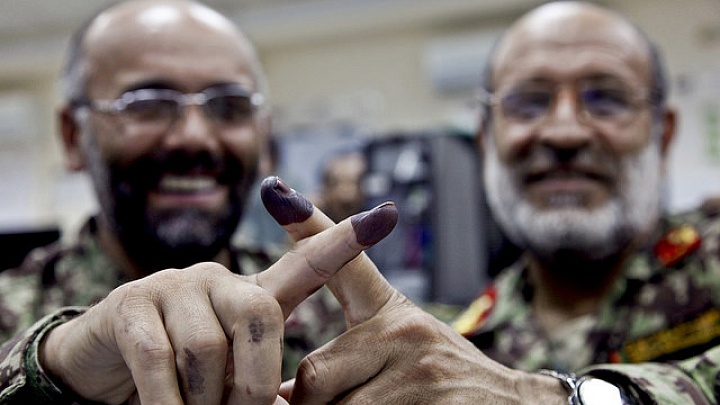
Jeff Bridoux, co-author of a new book on Democracy Promotion, discusses this controversial concept in the post-9/11 era following George W. Bush's 'Freedom Agenda', the wars in Iraq and Afghanistan, and the Arab Spring uprisings.
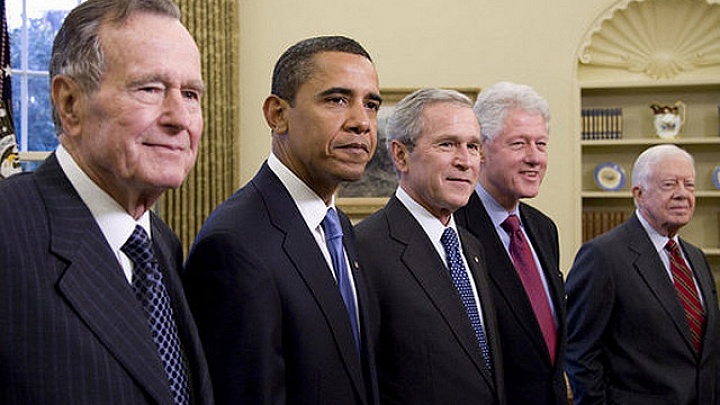
Chris Miller discusses why the art of compromise, a strength among elected leaders, becomes a weakness when it comes to the art of war as illustrated by the course of America's post-9/11 battles.

Colonel (Ret.) Philip Lisagor explores classic war and strategy literature and more recent COIN offerings in an attempt to explain the course of America's 'War on Terror.'
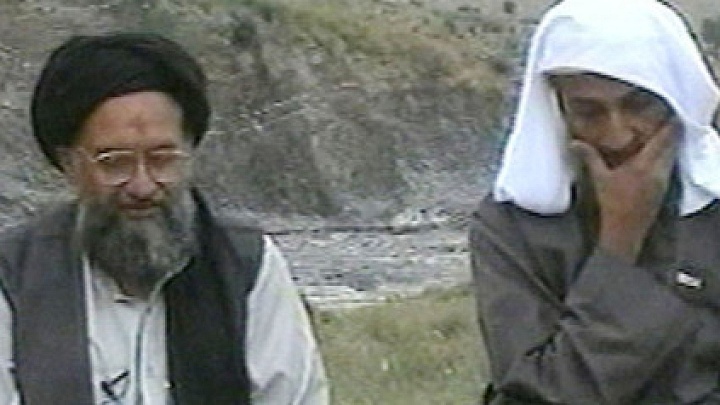
Yaniv Barzilai, author of 102 Days of War: How Osama bin Laden, al Qaeda & the Taliban Survived 2001, discusses our early missteps in the war on terror.
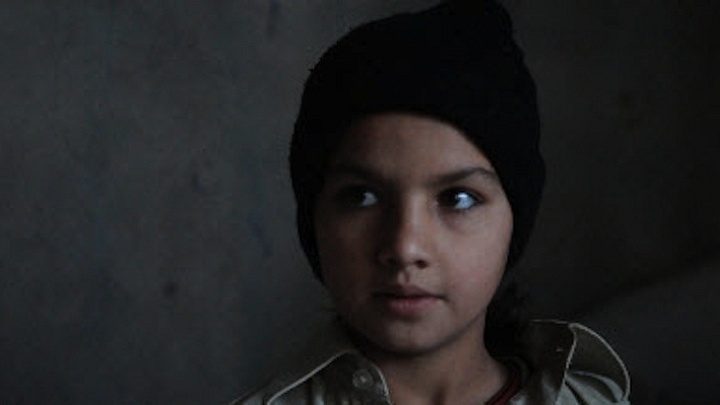
Afghan-American author Nadia Hashimi reviews Jenny Nordberg's The Underground Girls of Kabul, an ethnographic account of the Afghan custom of dressing girls as boys.


