

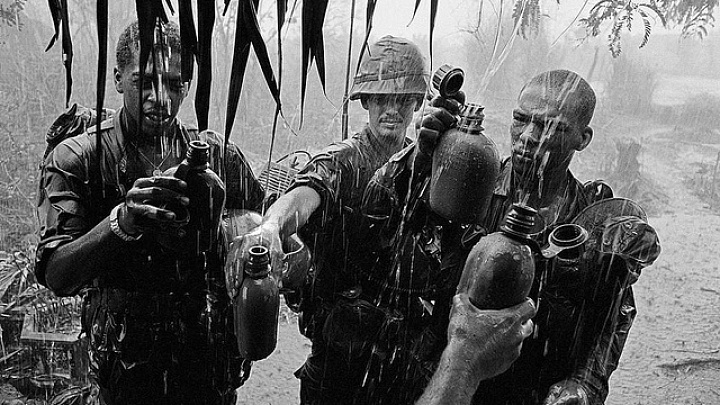
Arnold Isaacs reviews Frank Scotton's Uphill Battle: Reflections on Viet Nam Counterinsurgency and finds the author's first-hand account of who lost the war convincing.
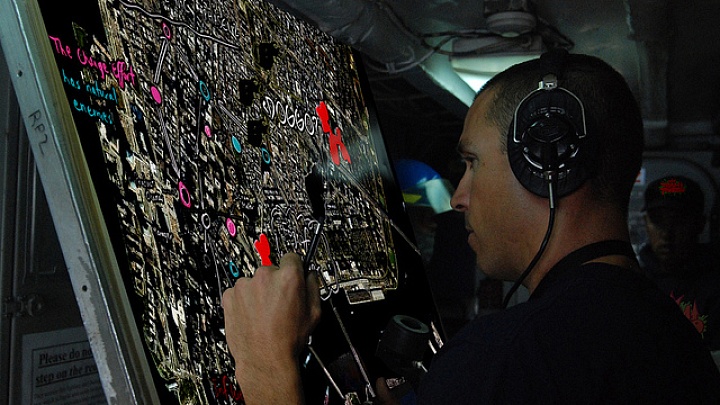
Jordan Bravin explains how counterinsurgency operations, 'hybrid war', and asymmetric conflicts of the 21st century are leading to the development of new measures of how to define victory.
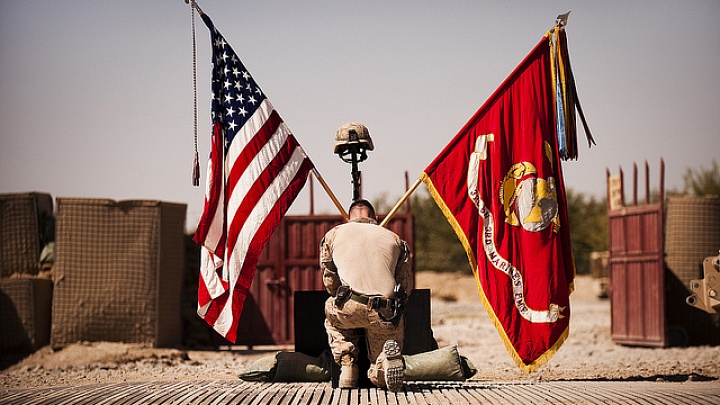
Bing West talks counterinsurgency policy and his latest book, One Million Steps, the story of a platoon of U.S. Marines he embedded with as they engaged in one of the most important and deadly battles of the war in Afghanistan.
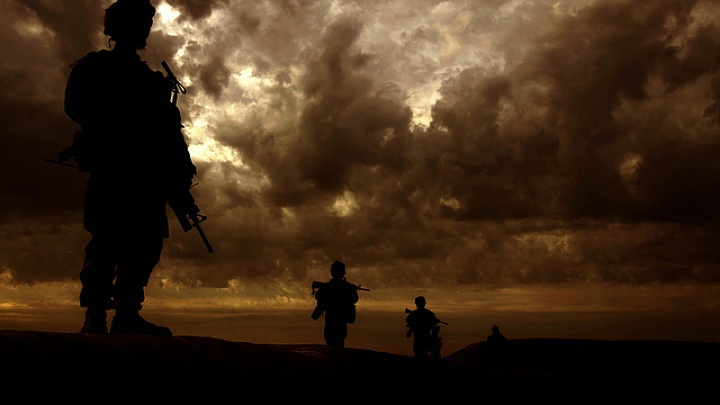
Eric Jorgensen on how to take asymmetric advantage of the full range of U.S instruments of national power in a way that overwhelms our adversaries.

Does the closing of a COIN institution at Ft. Leavenworth signal the end of the Bush-era doctrine? Whitney Kassel assesses what it means for our approach to future conflict.
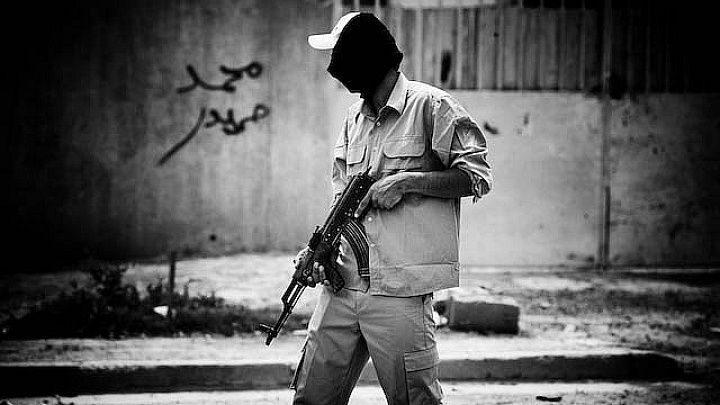
Gen. (Ret.) Mohammed al-Samarae argues that a new 'Sunni Awakening' would help push ISIS out of Iraq, but U.S. needs to press Baghdad to grant the Sunnis meaningful gains--something the Maliki government refused to do.
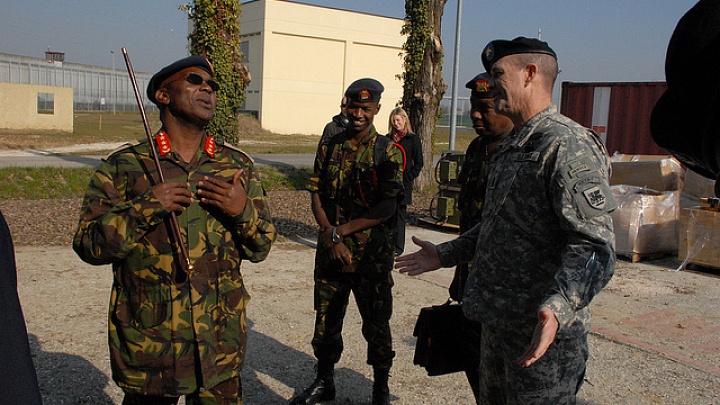
Huw Bennett, author of 'Fighting the Mau Mau', talks about the British COIN experience in 1950s Kenya and being called as a historian and expert witness in the landmark legal case brought by Mau Mau victims against the UK government.
Some military analysts, like James Stavridis, are holding up Colombia as a successful COIN model for the Arab world to emulate. Michael Weintraub points out why they're wrong.


