

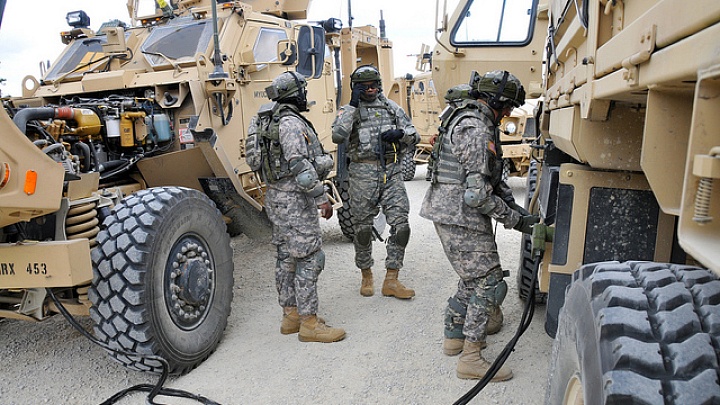
In light of the sequestration debate, Colonel (Ret.) Eric Jorgensen explains what 'Military Readiness' is and why it is so vital to America's national security.
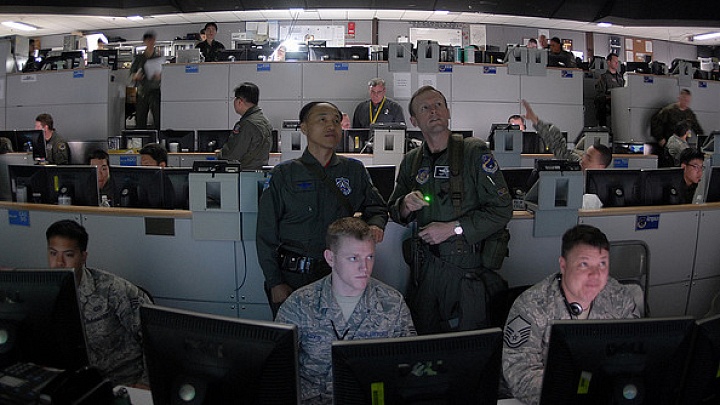
IT security expert Richard Stiennon explains how the U.S. military's adoption of Network-centric Warfare (NCW) set the stage for inevitable cyberwarfare in future conflicts between modern states.
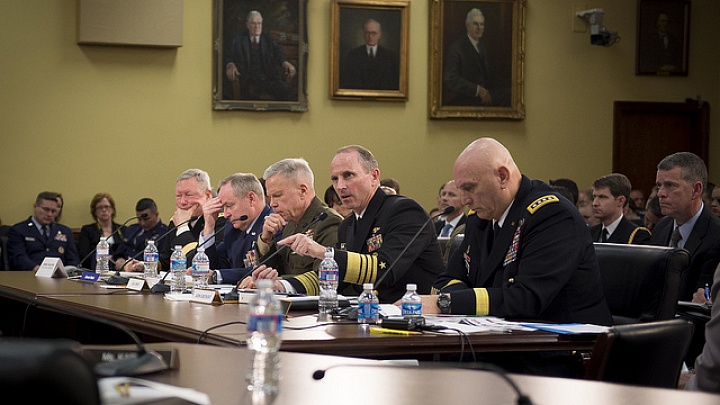
Col. Clint Hinote argues that while the effect of sequestration on the military appears small now, it will have a greater impact on readiness in the future. There must be a better way to solve America's budget issues.

Jordan Bravin explains how counterinsurgency operations, 'hybrid war', and asymmetric conflicts of the 21st century are leading to the development of new measures of how to define victory.
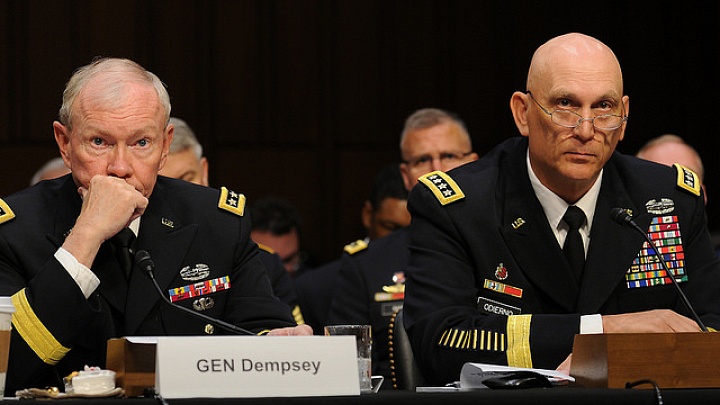
Colonel (Ret.) Eric Jorgensen holds that we should not lose sight of the fact that the size and needs of the U.S. Army should be determined first and foremost by one factor: Victory.

Former U.S. Air Force strategic planner Eric Jorgensen argues that for the U.S. military, more is not always better, and decisions should be based on what we need, not on what we want.
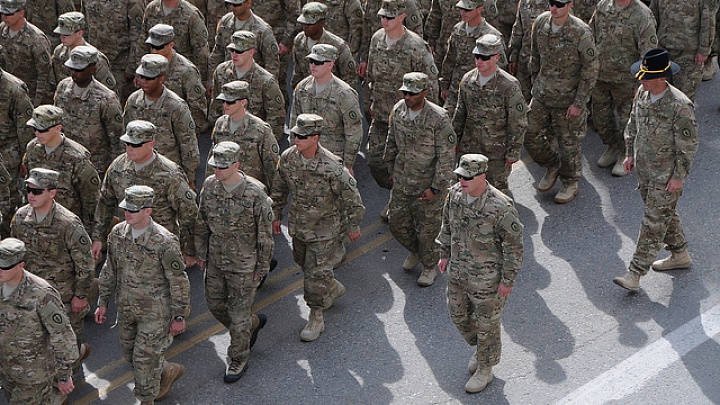
There are many ways to restructure our armed forces to match current budgetary conditions. Finding the right balance between risks and benefits poses challenges for policymakers, writes Eric Jorgensen.

Lieutenant Colonel Paul Darling argues that the U.S. military must rethink its dated benefits system and how it attracts troops and structures their benefits in order to meet the nation's fiscal challenges today.


