

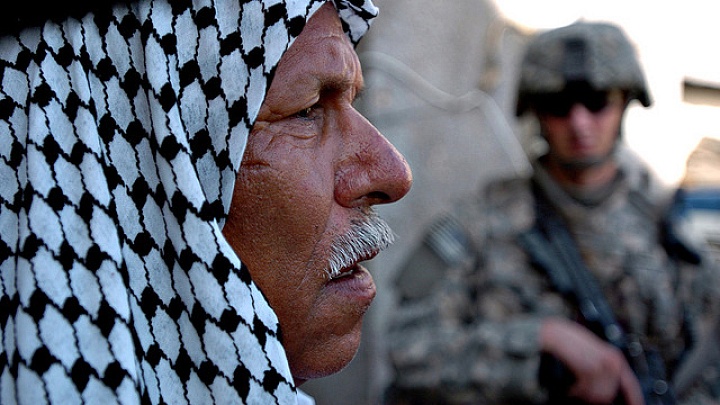
Carolyn Schapper, a veteran of the Iraq War and 'Sunni Awakening', argues the U.S. and its partners should support Sunni tribes such as the al-Jubur in their fight against ISIS as it did previously against al Qaeda in Iraq.
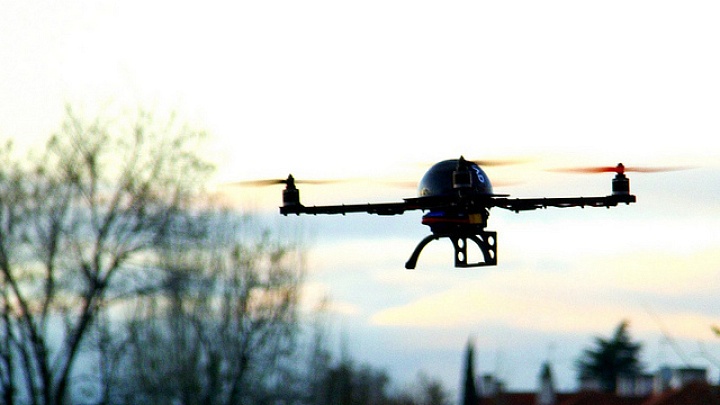
Peter Storey discusses lessons learned in Iraq and elsewhere for airpower in urban warfare and how UAVs help mitigate its challenges, an issue relevant to today's war with ISIS.
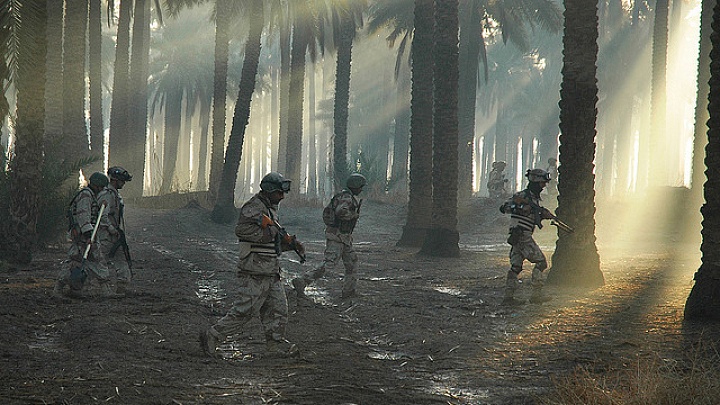
General (Ret.) Mohammed Al-Samarae, a former Iraqi army commander, analyses a deeply divided Iraqi society and argues the political elite will remain a problem for years to come.

Kayla Williams talks PTSD/TBI, veterans, and life and recovery in the aftermath of war in her new book, Plenty of Time When We Get Home.
Joshua Rovner of Southern Methodist University talks about his book, Fixing the Facts, on the intelligence-policy relationship and "politicization" of intelligence during the Iraq War and throughout U.S. history.
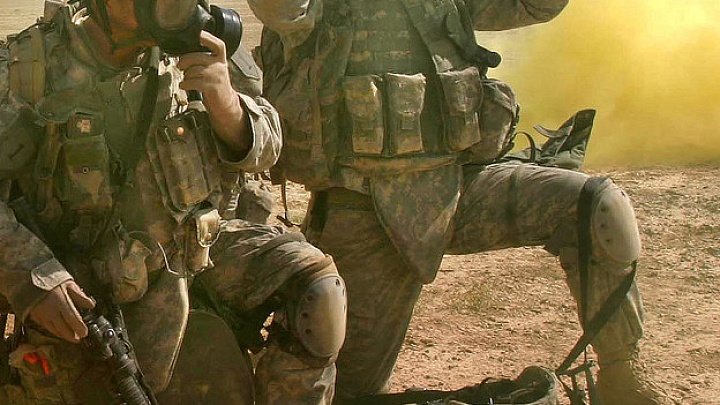
CBRN expert Dan Kaszeta argues the terms "Weapons of Mass Destruction" and WMD are undefined, unclear, and unhelpful and should be retired from the lexicon.
Arnold R. Isaacs reviews the book, To Be A Friend Is Fatal: The Fight to Save the Iraqis America Left Behind, by Kirk Johnson.

Lt. Col. Douglas A. Pryer, looking back at classical literature and his own experience in Iraq, makes the case that "moral injury" better explains some psychological symptoms than PTSD. This is the first of a two-part essay.


