

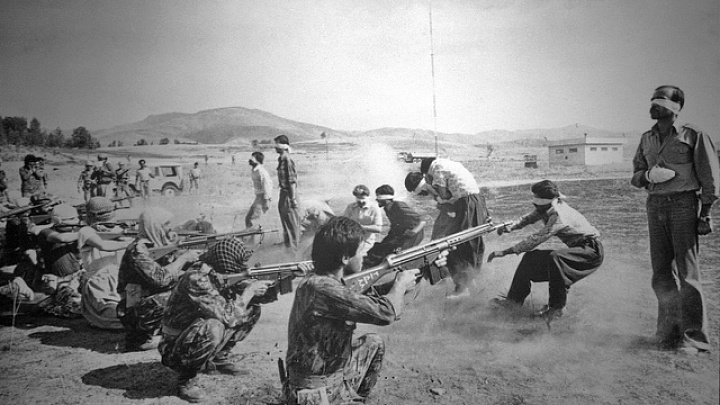
Colonel (Ret.) Philip Lisagor argues that the provocative terrorist violence used by ISIS in Iraq, Syria, and elsewhere should not distract us from other political violence nor be the deciding factor on if, when, and where the U.S. decides to act.
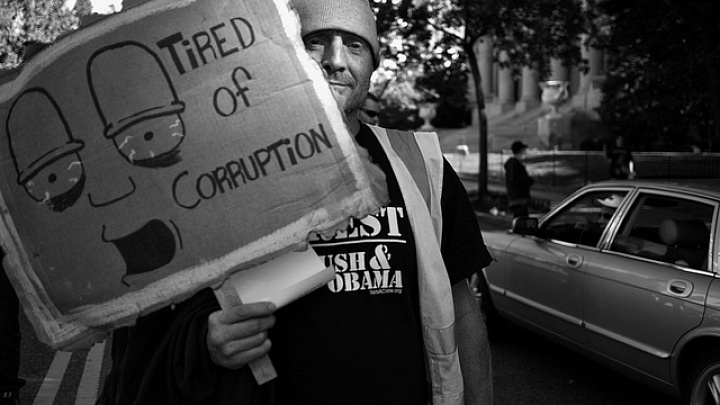
Arnold Isaacs discusses his experiences with corruption while covering the Vietnam War and whether government corruption has similarly contributed to the outcomes of the wars in Iraq and Afghanistan.
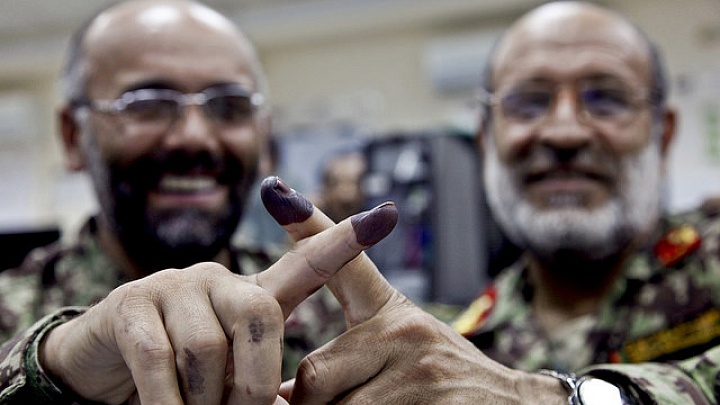
Jeff Bridoux, co-author of a new book on Democracy Promotion, discusses this controversial concept in the post-9/11 era following George W. Bush's 'Freedom Agenda', the wars in Iraq and Afghanistan, and the Arab Spring uprisings.
Colonel (Ret.) Philip Lisagor argues that America's leaders and intelligence community missed the inevitable rise of ISIS because of organizational drift to from a 'gatherer' to a 'hunter' culture and a focus on 'actionable intelligence' to the detriment of analysis.
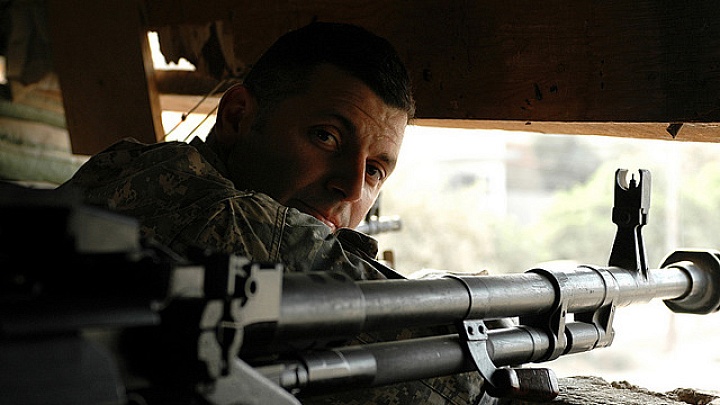
Peter Storey evaluates Operation Inherent Resolve, the U.S. military advisory mission to Iraq now several months in duration, and analyses the prospects of another quagmire or success.

Colonel (Ret.) Philip Lisagor explores classic war and strategy literature and more recent COIN offerings in an attempt to explain the course of America's 'War on Terror.'
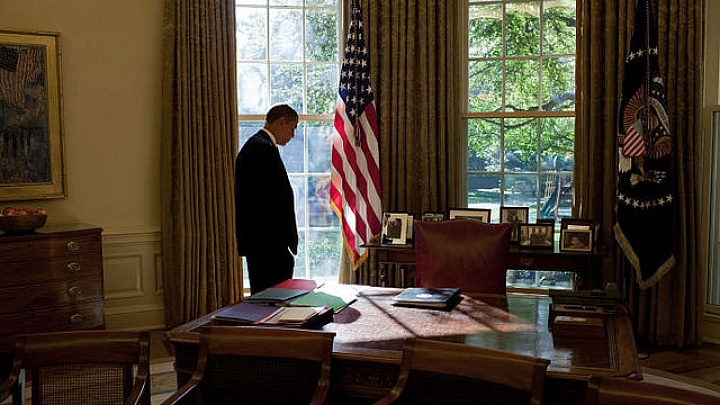
Chris Miller argues the Obama administration's ISIS strategy is based on false conclusions and is likely to lead to yet another prolonged conflict for America in the Middle East.
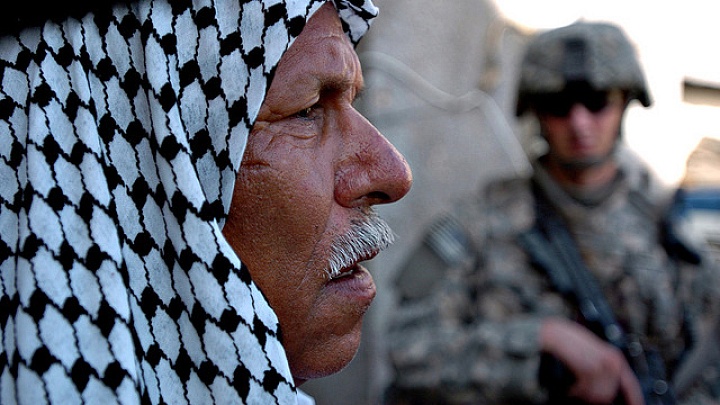
Carolyn Schapper, a veteran of the Iraq War and 'Sunni Awakening', argues the U.S. and its partners should support Sunni tribes such as the al-Jubur in their fight against ISIS as it did previously against al Qaeda in Iraq.


